
Optimal Timing for Asphalt Sealings
Understanding the optimal timing for asphalt sealings can extend the lifespan of pavements and improve their appearance. Proper scheduling depends on weather conditions, pavement condition, and seasonal temperatures. Sealings are most effective when applied during periods of moderate and stable weather, avoiding extreme cold or heat.
Spring offers ideal conditions for asphalt sealings due to rising temperatures and lower moisture levels, allowing the sealant to cure properly.
Early summer can be suitable if temperatures are moderate. Avoid sealing during peak heat to prevent rapid drying and improper curing.
Fall provides cooler temperatures and less humidity, making it a good time for sealings before winter sets in.
Winter is not recommended due to freezing temperatures and increased moisture, which can hinder proper adhesion and curing.
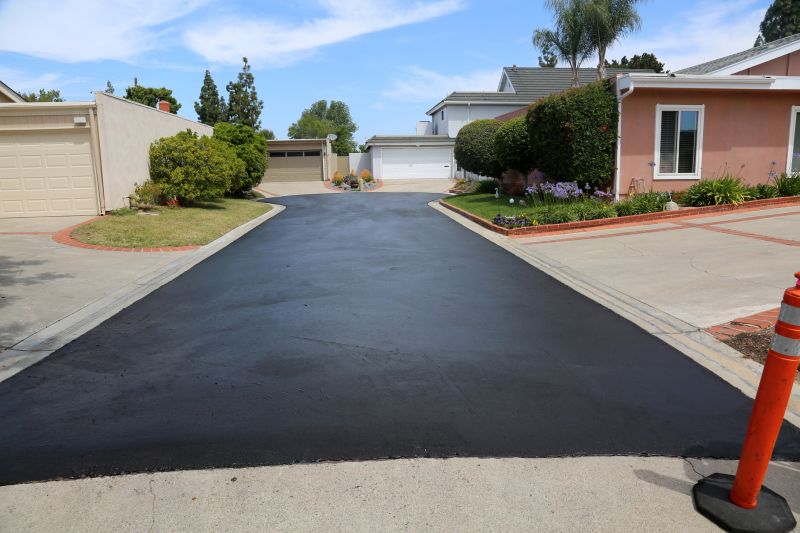
A paved driveway being sealed in springtime.
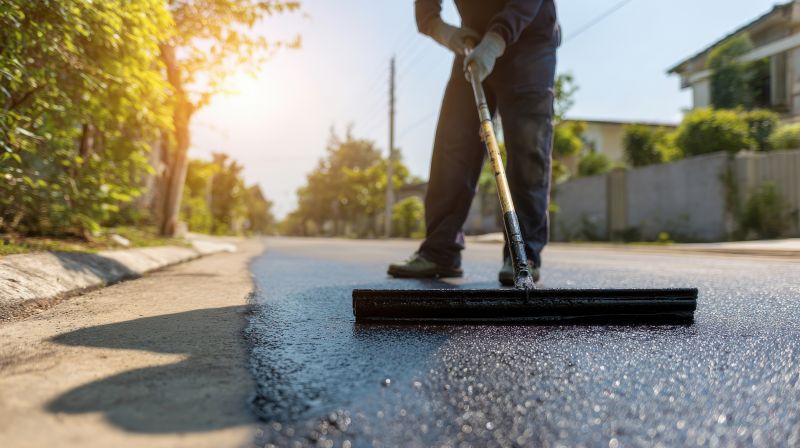
Sealant application during warm summer months.
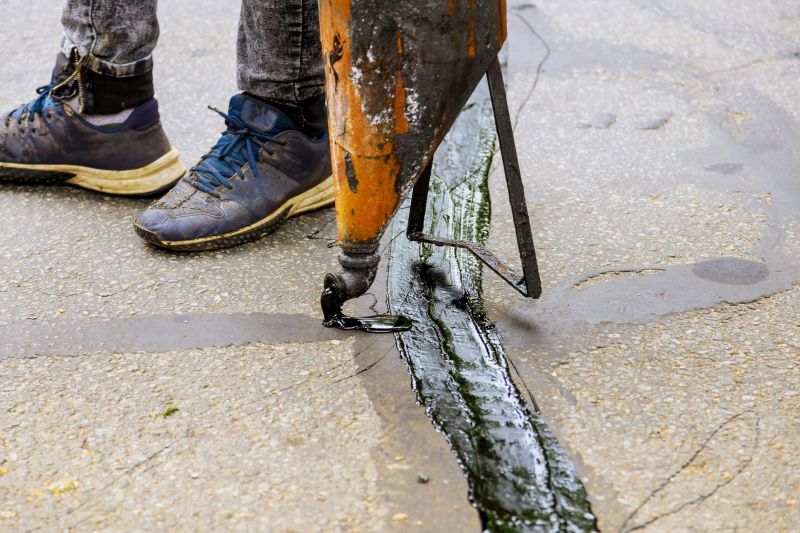
Sealing asphalt in the autumn season.
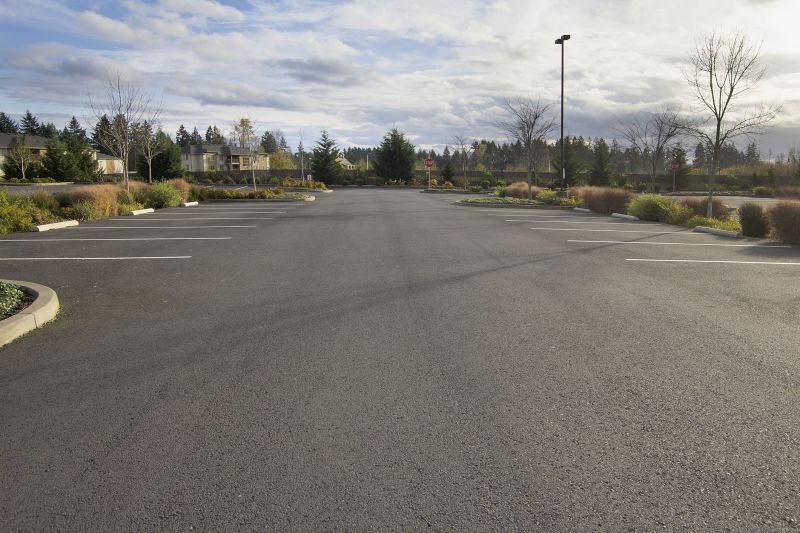
Ways to make Asphalt Sealings work in tight or awkward layouts.
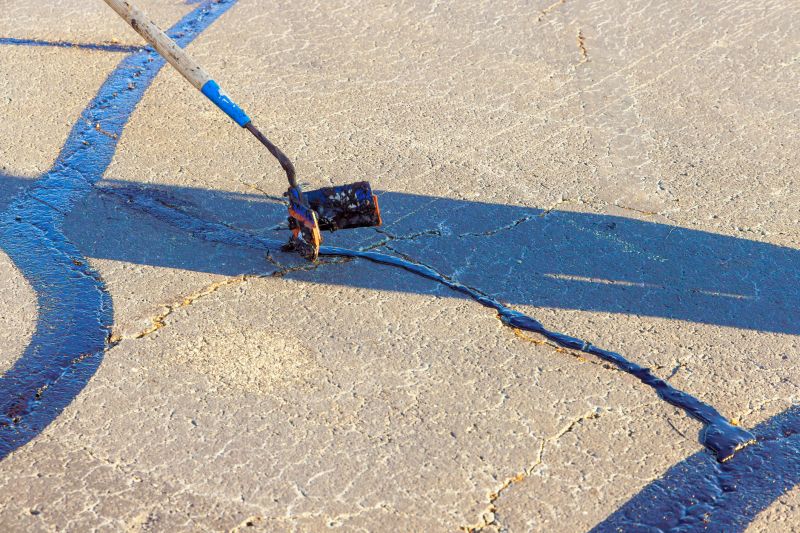
Popular materials for Asphalt Sealings and why they hold up over time.
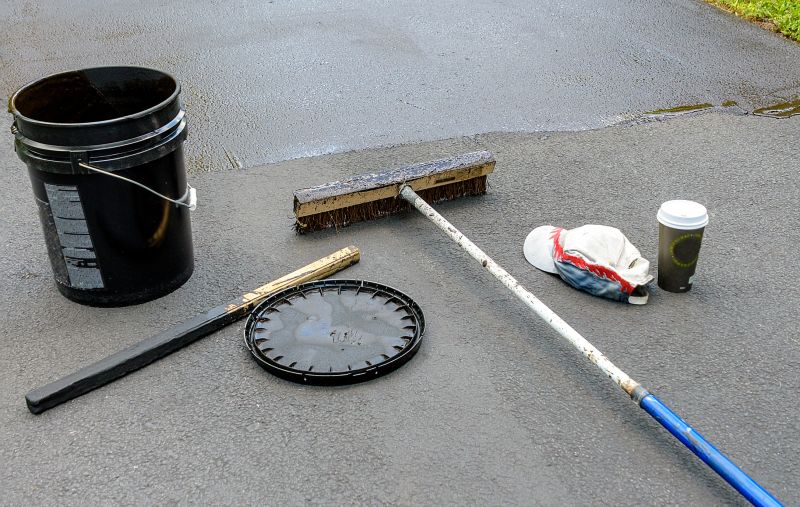
Simple add-ons that improve Asphalt Sealings without blowing the budget.
| Season | Recommended Conditions |
|---|---|
| Spring | Moderate temperatures, low humidity, dry weather |
| Summer | Early summer with mild temperatures, avoid peak heat |
| Fall | Cooler temperatures, dry conditions |
| Winter | Not recommended due to freezing and moisture |
Asphalt sealings are a protective coating applied to pavements to prevent water penetration, resist UV damage, and improve surface durability. Properly sealed asphalt can extend the pavement's lifespan by preventing cracks and potholes. Sealings are typically composed of asphalt emulsion or coal tar, which form a waterproof barrier when cured. Regular maintenance and timely sealings can reduce long-term repair costs and preserve the surface's appearance.
Statistics indicate that asphalt sealings can significantly extend pavement life, with some estimates suggesting a lifespan increase of up to five years when applied correctly and maintained regularly. The effectiveness depends on proper surface preparation, weather conditions during application, and adherence to recommended curing times.
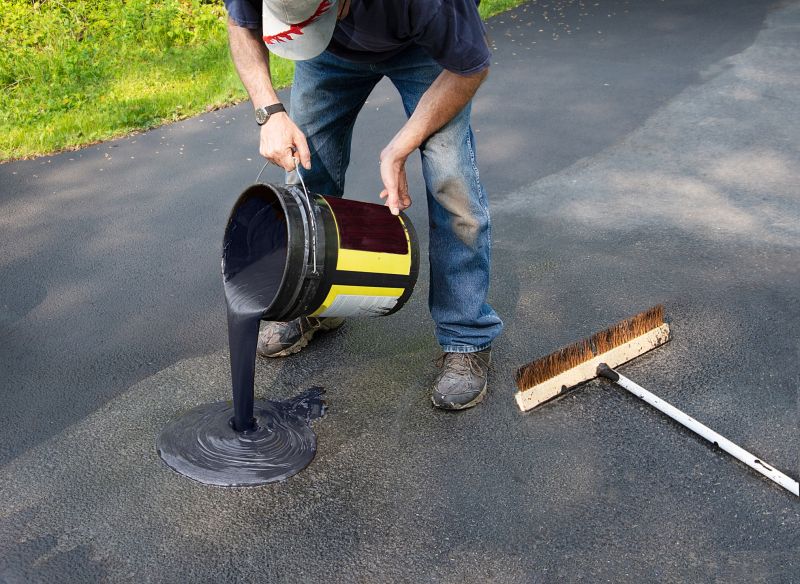
Applying asphalt sealant on a driveway.
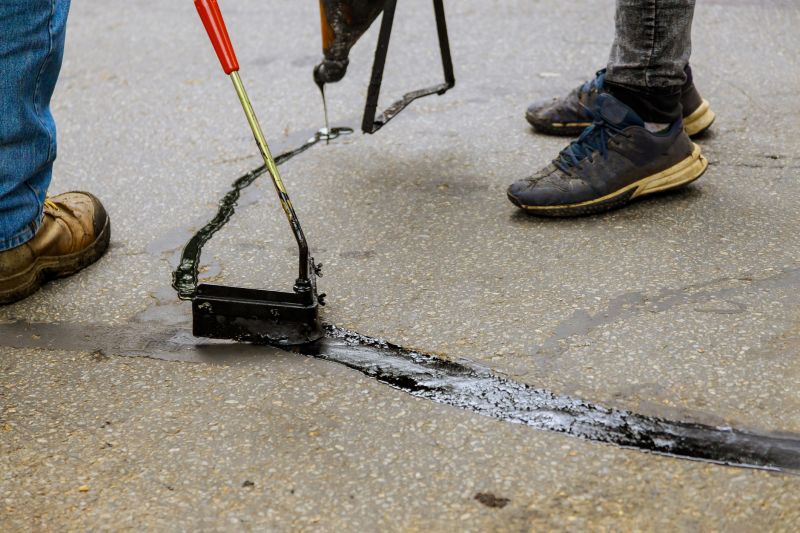
Sealant curing on a paved surface.
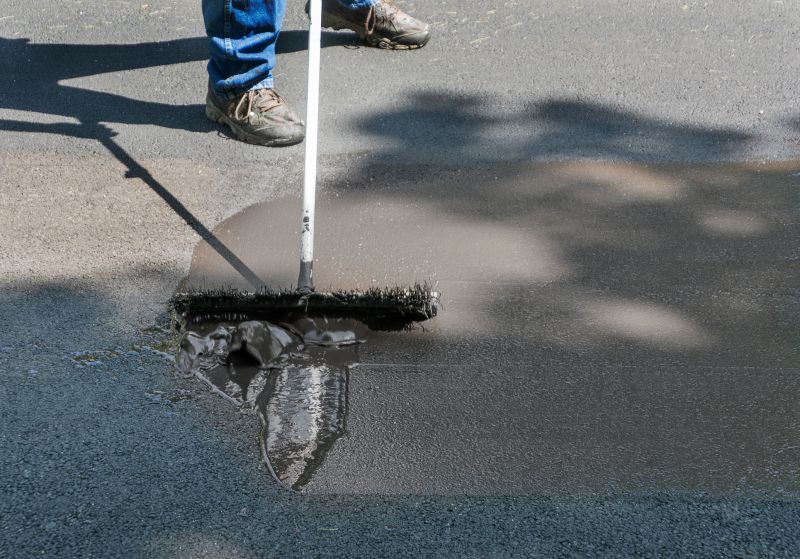
Inspecting asphalt after sealing.
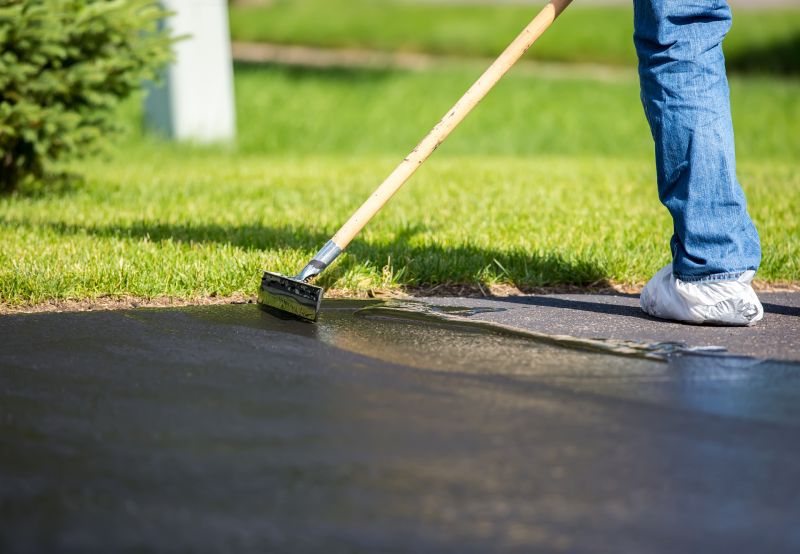
Completed asphalt sealing project.
Those interested in scheduling asphalt sealings are encouraged to contact for more information. Proper timing and application techniques are essential for maximizing pavement protection and longevity.